A professional painting project can completely transform the appearance and value of a home when completed correctly. Whether homeowners are updating outdated colors, improving curb appeal, or preparing a property for sale, professional painters follow a detailed process to ensure long lasting and high quality results. At Rodrigo’s Painting, many homeowners ask what happens before, during, and after a painting project so they can prepare their homes properly and avoid unnecessary stress during the process.
Professional painting involves much more than simply applying paint to walls or siding. Experienced contractors carefully prepare surfaces, repair existing damage, protect surrounding areas, and use proper techniques to ensure a smooth and durable finish. Understanding each phase of the project helps homeowners know what to expect and why professional workmanship matters for long term performance.
Initial Consultation and Project Planning
Every professional painting project begins with an on site consultation. During this stage, contractors evaluate the condition of the property, discuss color preferences, inspect damaged areas, and determine the scope of work. Homeowners also receive recommendations regarding paint products, finishes, timelines, and preparation requirements.
For exterior projects, contractors inspect siding, trim, windows, doors, and nearby surfaces for signs of peeling paint, moisture damage, or wood deterioration. Interior projects may involve evaluating wall conditions, ceiling stains, cracks, and texture inconsistencies before painting begins.
Many homeowners combine projects such as Interior Painting, Exterior Painting, and minor repairs to complete multiple upgrades at once while reducing overall disruption.
Preparing the Property Before Painting Begins
Preparation is one of the most important parts of any successful painting project. Professional painters spend significant time protecting furniture, landscaping, flooring, windows, and nearby surfaces before applying paint.
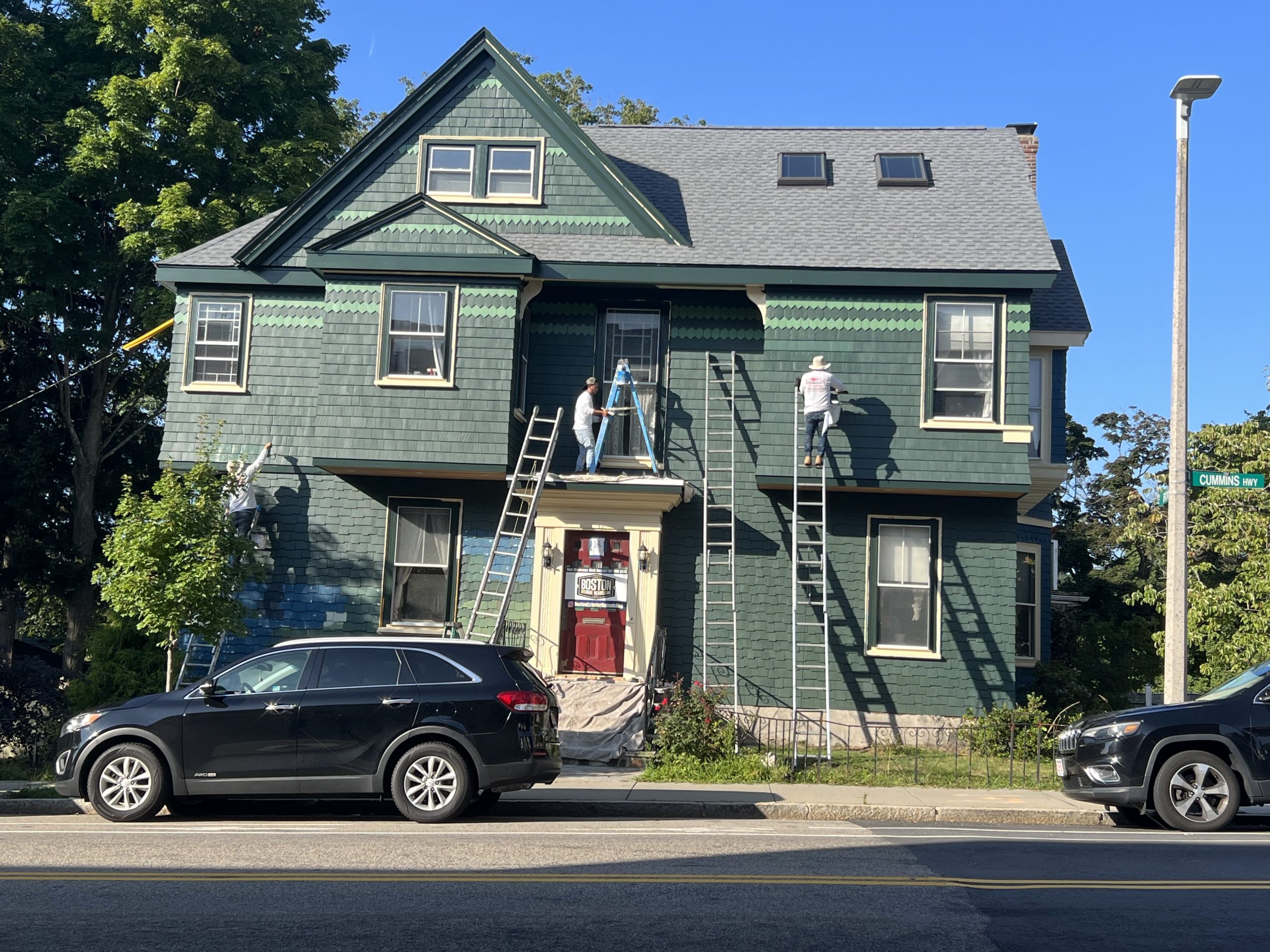
Interior preparation may involve moving furniture, covering floors, removing outlet covers, and protecting fixtures with plastic or drop cloths. Exterior preparation often includes pressure washing, scraping loose paint, sanding rough areas, and covering plants or outdoor features.
Older homes may also require Wallpaper Removal before walls can be repaired and painted properly. Skipping preparation steps often leads to uneven finishes, peeling paint, or poor adhesion over time.
Surface Repairs and Damage Correction
Professional painters carefully inspect surfaces for damage before painting begins. Cracks, holes, water stains, damaged trim, and uneven drywall surfaces are repaired to ensure the final finish appears smooth and consistent.
Many projects require professional Drywall Repairs before paint application, especially in rooms with moisture damage, nail holes, or previous patchwork problems. Exterior surfaces may also require caulking, wood replacement, or minor siding repairs before painting continues.
Surface preparation and repairs directly affect the durability and appearance of the final results. High quality paint alone cannot hide serious surface imperfections if they are not corrected properly beforehand.
Priming and Paint Application Process
Once preparation and repairs are completed, painters begin applying primer and finish coats. Primer helps paint adhere properly while creating a more uniform surface and improving color consistency.
Professional painters use brushes, rollers, and sprayers depending on the project type and surface material. Multiple coats are often necessary to achieve proper coverage, especially when changing colors dramatically or covering older surfaces.
Below is a simple overview of the typical professional painting process.
| Project Stage | What Happens | Estimated Timeline |
|---|---|---|
| Consultation and Estimate | Property evaluation and color planning | 1 Day |
| Preparation and Protection | Covering surfaces and cleaning work areas | 1-2 Days |
| Surface Repairs | Repairing drywall, cracks, and damaged areas | 1 Day |
| Painting and Finishing | Applying primer and finish coats | 1-3 Days |
| Cleanup and Inspection | Removing materials and final walkthrough | Same Day |
Exterior Painting and Weather Considerations
Weather conditions play a major role in exterior painting projects. Professional painters monitor temperature, humidity, sunlight exposure, and rain forecasts to ensure paint cures properly.
Extreme heat, moisture, or cold temperatures can reduce paint durability and lead to cracking, bubbling, or uneven finishes later on. Experienced contractors schedule work carefully to achieve better long term results and avoid weather related problems.
Professional House Painting contractors also inspect nearby roofing, siding, and Gutters during exterior projects because moisture issues often affect paint performance and surface durability.
Cleanup and Final Inspection
After painting is completed, contractors perform a thorough cleanup and final inspection. Protective coverings, tools, tape, and leftover materials are removed from the property while painters inspect the finished surfaces carefully for consistency and touch up needs.
Homeowners usually complete a walkthrough with the contractor to review the finished project and address any final concerns. This stage helps ensure the work meets expectations and provides an opportunity to discuss maintenance recommendations for long term paint protection.
Professional cleanup is an important part of the overall customer experience and reflects the quality standards of the painting company.
Why Hiring Professional Painters Matters
A professional painting project requires proper preparation, quality materials, technical skills, and attention to detail. Poor workmanship often leads to peeling paint, uneven finishes, visible brush marks, and shorter paint lifespan.
Experienced contractors understand how different surfaces, weather conditions, and paint products affect final results. Professional painters also work more efficiently while maintaining safer job site practices and delivering higher quality finishes.
Homeowners investing in Residential Painting services benefit from longer lasting results, improved curb appeal, and reduced maintenance costs compared to rushed or inexperienced painting work.
Frequently Asked Questions
How long does a professional painting project usually take?
Most residential painting projects take several days depending on property size, surface condition, weather, and the amount of preparation required.
Why is surface preparation important before painting?
Preparation improves paint adhesion, creates smoother finishes, and helps prevent peeling, bubbling, and uneven coverage over time.
Do painters repair drywall before painting?
Yes. Professional painters commonly perform minor Drywall Repairs to improve wall appearance before primer and paint application.
Can weather affect exterior paint durability?
Yes. Excessive heat, moisture, rain, and humidity can reduce paint performance and shorten the lifespan of exterior coatings.
Should homeowners leave during interior painting projects?
Homeowners can remain home during most projects, although some people prefer temporary relocation during larger interior painting jobs because of odors and workspace limitations.