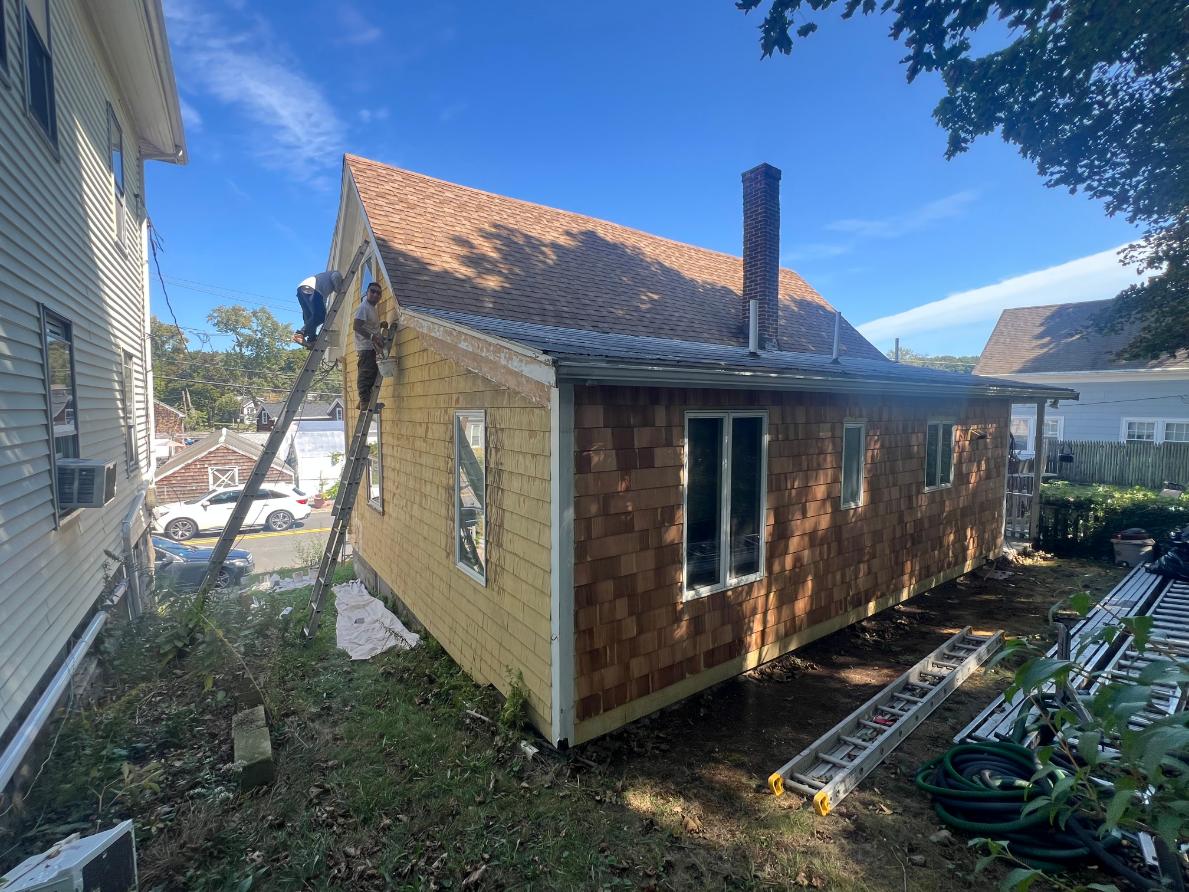
Cedar shingles give residential properties a distinctive exterior appearance. Proper preparation and coating selection can refresh their look while helping maintain the character of the home’s exterior.
Cedar shingles are a popular exterior siding material because of their natural texture and distinctive appearance. Over time, exposure to sunlight, rain, moisture, and changing weather conditions can affect their surface and existing finish. When homeowners consider painting cedar shingles, proper preparation is essential for achieving a clean and consistent result.
The process involves evaluating the existing siding, cleaning the surface, addressing damaged areas, selecting compatible coatings, and applying the finish according to product instructions.
Quick Answer: Can You Paint Cedar Shingles?
Yes, cedar shingles can be painted when they are structurally sound and properly prepared. The process generally includes inspecting the siding, cleaning the surface, removing loose paint, repairing damaged shingles, allowing the material to dry, and applying a compatible primer and exterior paint when appropriate.
Four Important Steps for Painting Cedar Shingles
01. Evaluate the Existing Surface
Inspect the shingles for peeling coatings, surface deterioration, loose sections, and visible damage before beginning preparation.
02. Clean and Prepare
Remove dirt and surface buildup using an appropriate cleaning method while protecting the siding from excessive moisture or damage.
03. Repair Problem Areas
Address damaged shingles and remove loose or peeling paint before applying a new coating.
04. Select the Right Finish
Choose an exterior coating system compatible with the cedar surface and its existing condition.
How to Paint Cedar Shingles Step by Step
1. Inspect the Cedar Shingle Siding
Start by examining the entire exterior surface. Look for loose shingles, peeling paint, cracks, discoloration, and areas showing signs of deterioration. Pay attention to corners, edges, and sections exposed to direct weather conditions.
An inspection helps identify which areas require repairs and whether the siding is suitable for repainting.
2. Clean the Shingles Properly
Dirt, dust, mildew, and surface residue can interfere with the application of new coatings. Clean the siding using a method suitable for cedar and avoid excessive pressure that could damage the wood fibers.
Allow the surface to dry thoroughly before continuing. Applying paint over damp siding can contribute to coating problems and an inconsistent finish.
3. Remove Loose and Peeling Paint
Existing coatings should be inspected carefully. Areas with loose or peeling paint need appropriate removal before applying a new finish. Leaving unstable paint underneath can affect the adhesion and appearance of the new coating.
After scraping or sanding, remove loose dust and debris so the surface is ready for the next stage.
4. Repair Damaged Shingles
Damaged or deteriorated shingles should be evaluated before painting. Depending on their condition, they may require repairs or replacement rather than simply covering the problem with paint.
Addressing these issues helps provide a more stable and consistent exterior surface.
5. Choose a Compatible Primer
Primer selection depends on whether the cedar is bare, previously painted, stained, or weathered. The chosen product should be designed for the surface condition and compatible with the intended exterior finish.
Following the manufacturer’s recommendations helps ensure that the complete coating system works together properly.
6. Apply the Exterior Paint Correctly
Once preparation and priming are complete, apply the selected exterior coating according to its product instructions. Proper application helps create more consistent coverage across the textured cedar surface.
Weather conditions, surface dryness, application method, and recommended coating thickness should all be considered during the painting process.
Why Cedar Shingle Preparation Matters
Textured cedar siding requires attention to surface condition and preparation. Cleaning, repairs, removal of loose coatings, proper drying, and compatible product selection can help support a more uniform exterior finish.
Paint vs. Stain: Which Is Better for Cedar Shingles?
Both paint and stain can be considered for cedar siding, but they create different appearances.
- Exterior paint: Provides an opaque color finish that covers the natural wood appearance.
- Exterior stain: Depending on the product, can allow more of the cedar’s natural texture and grain to remain visible.
The right choice depends on the existing surface, the desired appearance, previous coatings, and the maintenance expectations of the homeowner.
Common Cedar Shingle Painting Mistakes to Avoid
- Painting over damp cedar shingles.
- Ignoring damaged or deteriorated siding.
- Leaving loose and peeling paint on the surface.
- Using incompatible primer or exterior paint.
- Applying coatings without proper surface cleaning.
- Ignoring product instructions and suitable weather conditions.
Frequently Asked Questions About Painting Cedar Shingles
1. Can cedar shingles be painted?
Yes. Cedar shingles can be painted when the siding is in suitable condition and properly prepared. Cleaning, removing loose coatings, making necessary repairs, and selecting compatible exterior products are important steps.
2. Should cedar shingles be primed before painting?
Priming is often important, especially for bare cedar or surfaces that require additional adhesion or stain blocking. The correct primer depends on the existing coating and the exterior paint system being used.
3. How do you prepare cedar shingles for painting?
Inspect the siding, clean away dirt and buildup, remove loose or peeling paint, repair damaged shingles, allow the surface to dry, and apply a compatible primer when needed before painting.
4. Is it better to paint or stain cedar shingles?
Paint provides a solid color finish, while suitable exterior stains can preserve more of the natural wood appearance. The better option depends on the desired look, condition of the siding, existing coating, and maintenance preferences.
5. Can you paint over previously painted cedar shingles?
Yes, provided the existing coating is in suitable condition. Loose or peeling paint should be removed, damaged areas addressed, and the remaining surface properly prepared before applying a compatible new coating.
6. What weather conditions are best for painting cedar shingles?
Choose conditions that meet the exterior paint manufacturer’s temperature, humidity, and moisture requirements. Avoid painting wet siding or applying coatings when rain or unsuitable weather could interfere with drying and curing.
7. How often should cedar shingles be repainted?
There is no single repainting schedule for every cedar-shingled home. The timing depends on the coating, surface preparation, weather exposure, siding condition, and maintenance history. Regular inspections can help identify when maintenance is needed.
Professional Exterior Painting for Residential Properties
Painting cedar shingles requires careful evaluation and proper surface preparation. From removing loose coatings to selecting compatible exterior products, every stage contributes to the appearance and performance of the finished project.
Rodrigo’s Painting provides exterior painting services for homeowners looking to refresh their property’s exterior. Explore our house facade painting services or visit the Rodrigo’s Painting homepage to learn more about our residential painting solutions.
Final Takeaway
The best cedar shingle painting results begin with proper preparation. Inspecting, cleaning, repairing, priming, and selecting the right exterior coating can help maintain the home’s character while creating a refreshed and consistent appearance.