Historic cedar shingle homes are known for their timeless beauty, unique architectural details, and craftsmanship that has stood the test of time. However, before applying a fresh coat of paint, proper preparation is essential to protect the wood and ensure long-lasting results. Historic Cedar Shingle Home Exterior Painting requires more than simply choosing a color—it involves careful inspection, repairs, and surface preparation to preserve the home’s character while improving durability.
Whether your home features original cedar shingles, decorative trim, or intricate porch details, following the right preparation process can make a significant difference in the final outcome.
Inspect the Condition of Cedar Shingles and Wood Surfaces
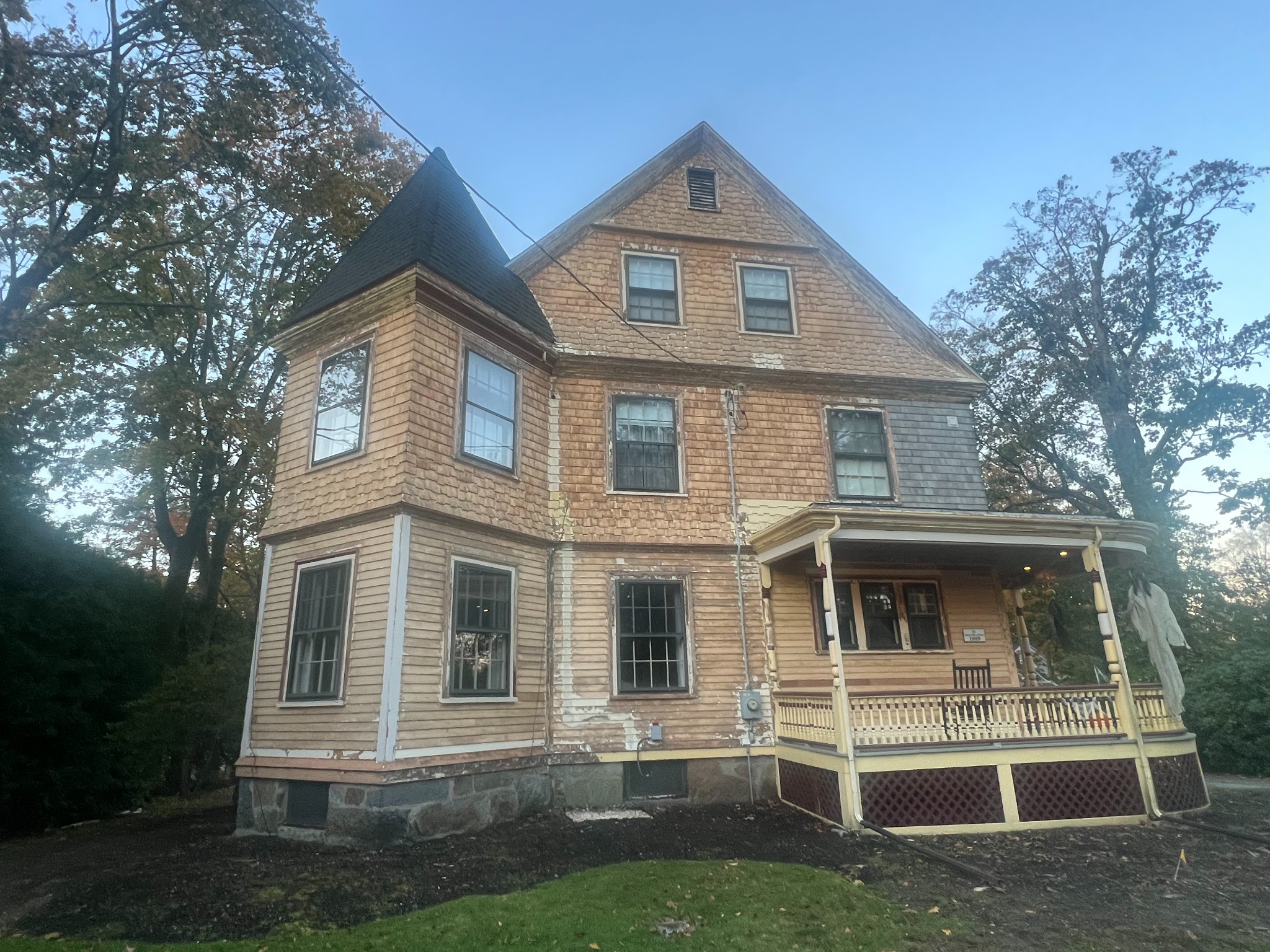
The first step in preparing a historic cedar shingle home is conducting a thorough inspection of the exterior. Years of exposure to rain, sunlight, humidity, and seasonal temperature changes can cause wear that may not be immediately visible.
Look for:
- Cracked or split cedar shingles
- Loose or missing wood components
- Peeling or blistering paint
- Water damage
- Signs of wood rot
- Open joints around windows and trim
Addressing these issues before painting helps create a stable surface and prevents future problems. Professional Wood Siding Repair is often recommended when working with older homes that have extensive weather-related damage.
Remove Failing Paint and Prepare the Surface
Historic homes often have multiple layers of old paint that can interfere with adhesion if not properly removed. Surface preparation is one of the most important steps in any Historic Cedar Shingle Home Interior Painting project.
Common preparation methods include:
- Scraping loose paint
- Sanding rough surfaces
- Removing deteriorated caulk
- Cleaning dirt and mildew buildup
- Feathering paint edges for a smooth finish
Proper preparation creates a uniform surface that allows primers and topcoats to bond effectively. Skipping this step often leads to premature paint failure and costly repairs down the road.
Repair Damaged Areas Before Painting
Older cedar shingle homes frequently require localized repairs before painting begins. Weather exposure and moisture intrusion can cause wood deterioration, particularly around windows, trim boards, and architectural details.
Typical repairs may include:
- Replacing damaged cedar shingles
- Repairing trim boards
- Securing loose siding
- Filling cracks and gaps
- Reinforcing deteriorated wood components
Combining restoration work with Exterior Painting Services ensures that the finished project not only looks beautiful but also provides long-term protection for the structure.
Prime Bare Wood for Maximum Protection
Once repairs and surface preparation are complete, bare wood should be primed before paint application. Primer serves as a protective layer that improves adhesion and helps seal the surface against moisture.
Benefits of quality primer include:
- Better paint adhesion
- Improved durability
- Enhanced color consistency
- Increased moisture resistance
- Longer-lasting finish
Historic homes often contain a mix of previously painted and newly repaired surfaces. Priming helps create a consistent foundation for the final paint system.
Choose the Right Paint for Historic Cedar Shingle Homes
Not all exterior paints perform equally on cedar shingles. High-quality exterior coatings designed for wood surfaces provide the best protection against weather and environmental exposure.
When selecting paint, consider:
- Durability
- UV resistance
- Moisture protection
- Flexibility during seasonal expansion and contraction
- Compatibility with cedar wood surfaces
Experienced contractors offering Exterior Painting Services can help homeowners choose products that balance appearance, longevity, and preservation requirements.
Preserve Historic Character While Improving Curb Appeal
One of the primary goals of historic home restoration is maintaining architectural authenticity. Careful preparation allows homeowners to preserve original features while giving the property a refreshed appearance.
Features worth protecting include:
- Decorative trim
- Bay windows
- Original cedar shingles
- Porch details
- Historic woodwork
A professionally prepared and painted exterior enhances curb appeal while safeguarding the structure from future damage. Proper maintenance also helps preserve property value and extends the lifespan of original materials.
For homeowners considering a restoration project, investing in thorough preparation is often the difference between a paint job that lasts a few years and one that provides reliable protection for a decade or more.
FAQ
How do I know if my cedar shingles need replacement before painting?
If shingles are cracked, severely warped, rotted, or missing, replacement is usually recommended. A professional inspection can determine whether repair or replacement is the best option.
Why is surface preparation important for historic cedar shingle home exterior painting?
Surface preparation removes failing paint, repairs damaged wood, and creates a stable foundation for primer and paint. Proper preparation significantly improves paint longevity and appearance.
Can historic cedar shingle homes be painted without damaging their character?
Yes. When completed correctly, painting can protect the home while preserving original architectural features. Professional restoration techniques help maintain the property’s historic appearance while improving durability.